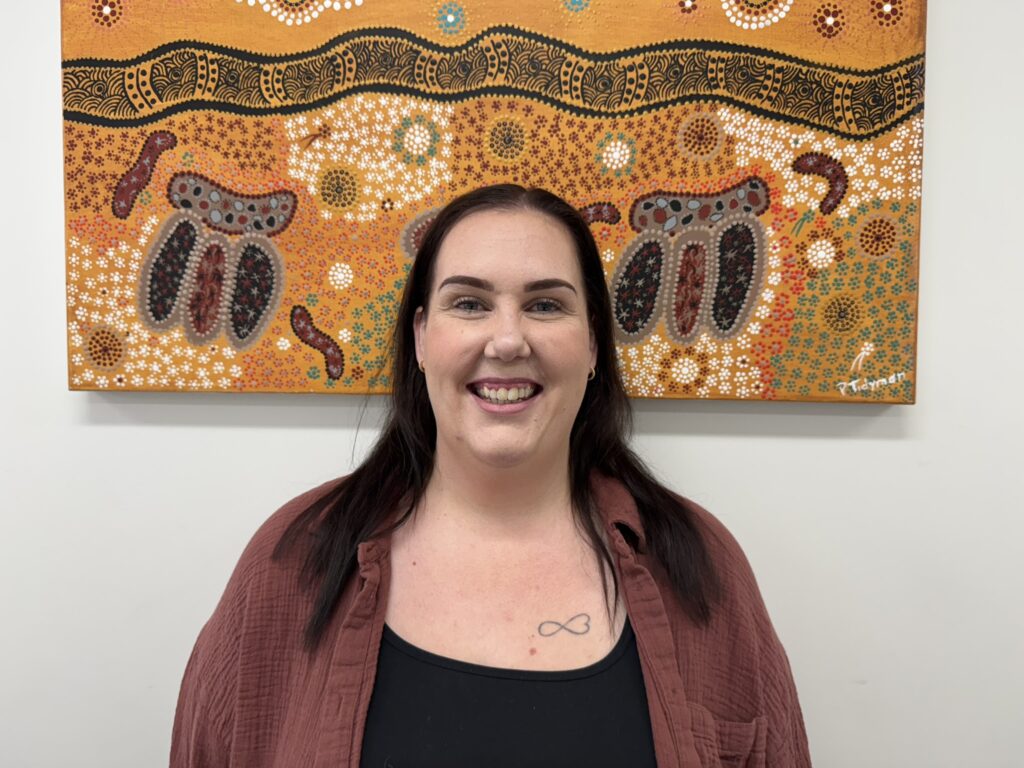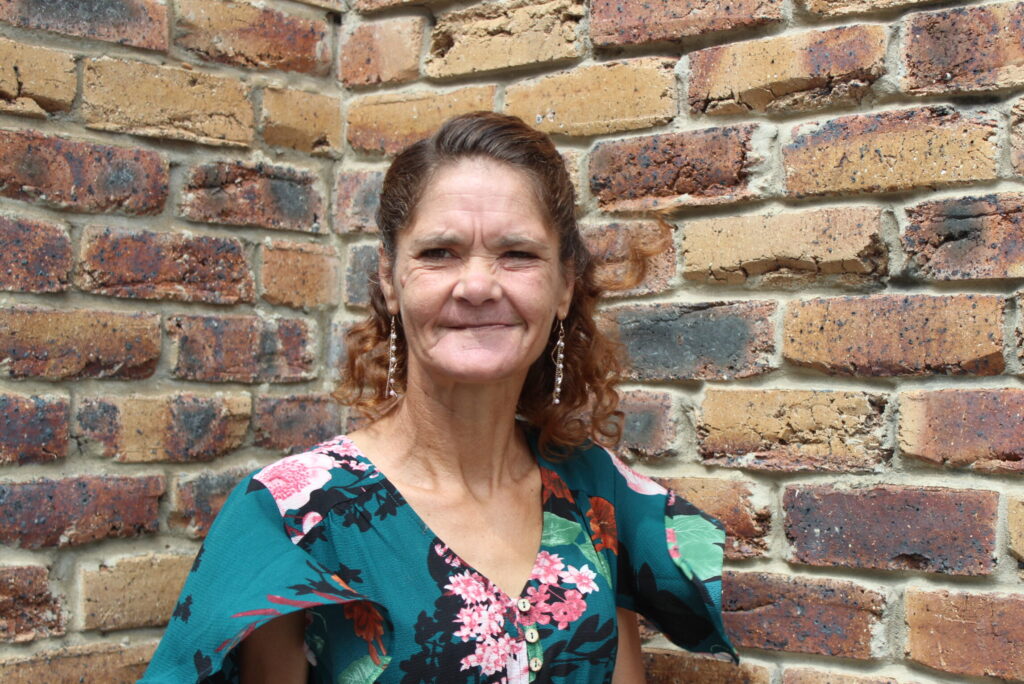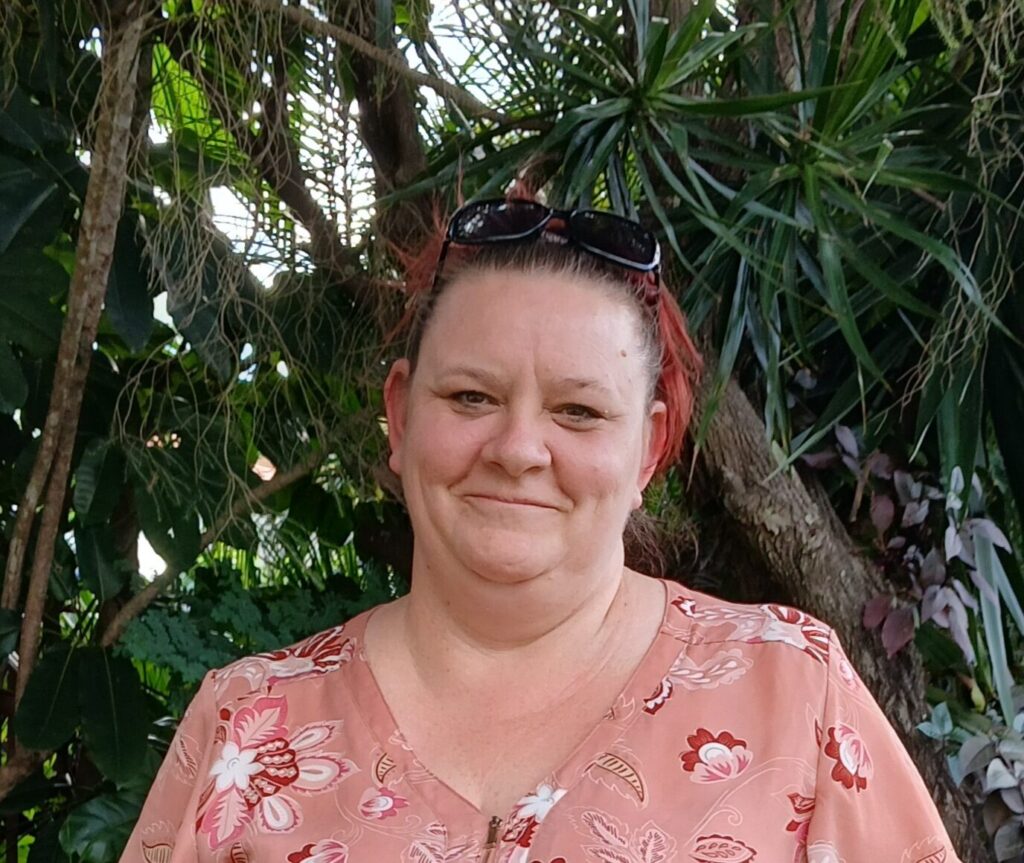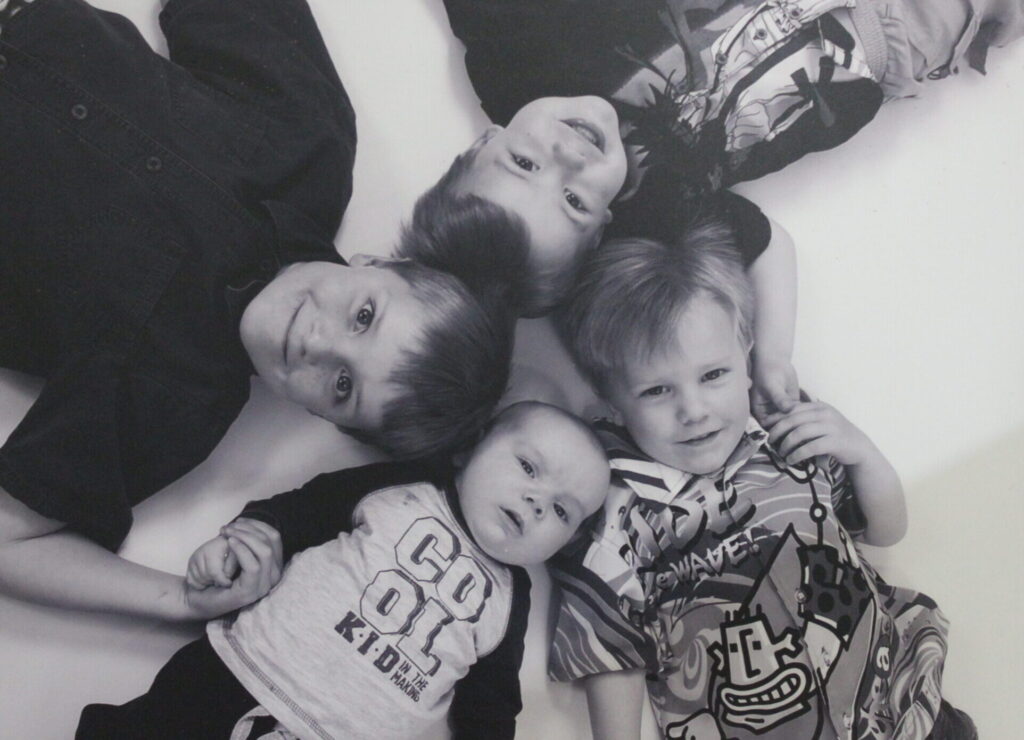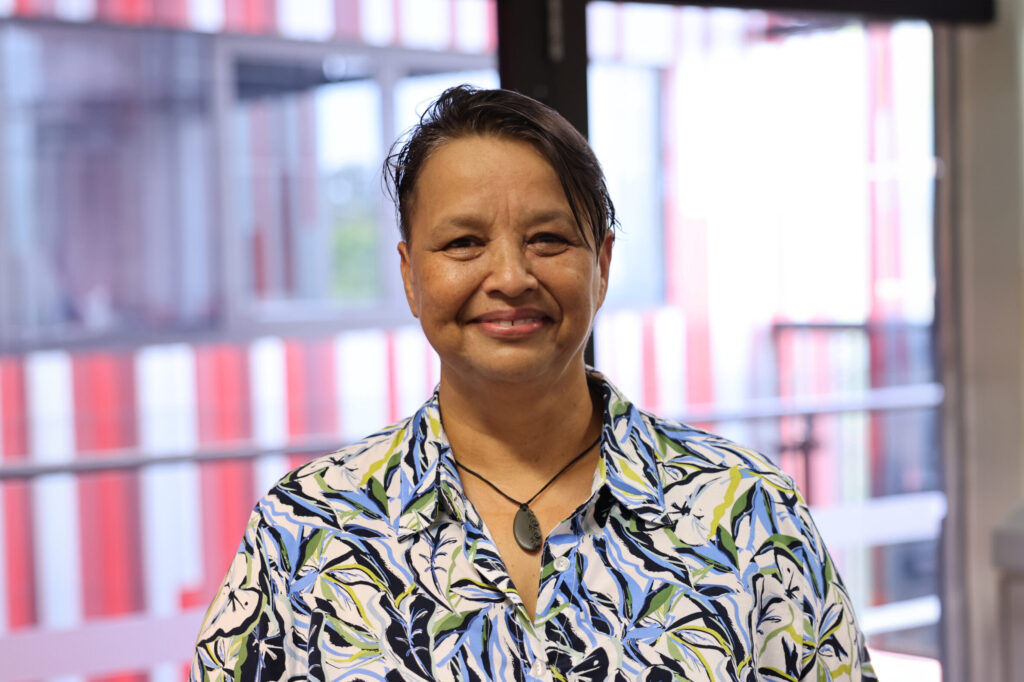

2023 was the hardest year of Pauline’s life. A business owner and mother to five beautiful children, after losing her younger brother to mental health struggles and herself suffering from domestic violence, Pauline’s mental health deteriorated significantly.
“I had a business, I was raising five kids, I had a home…I had it all.”
“[But] by December, I had hit a mental breakdown and by 22 December I was homeless. I was on the street.”
“I had lost my brother and been a victim of domestic violence. And then to lose my kids because of it, and my house…I lost everything.”
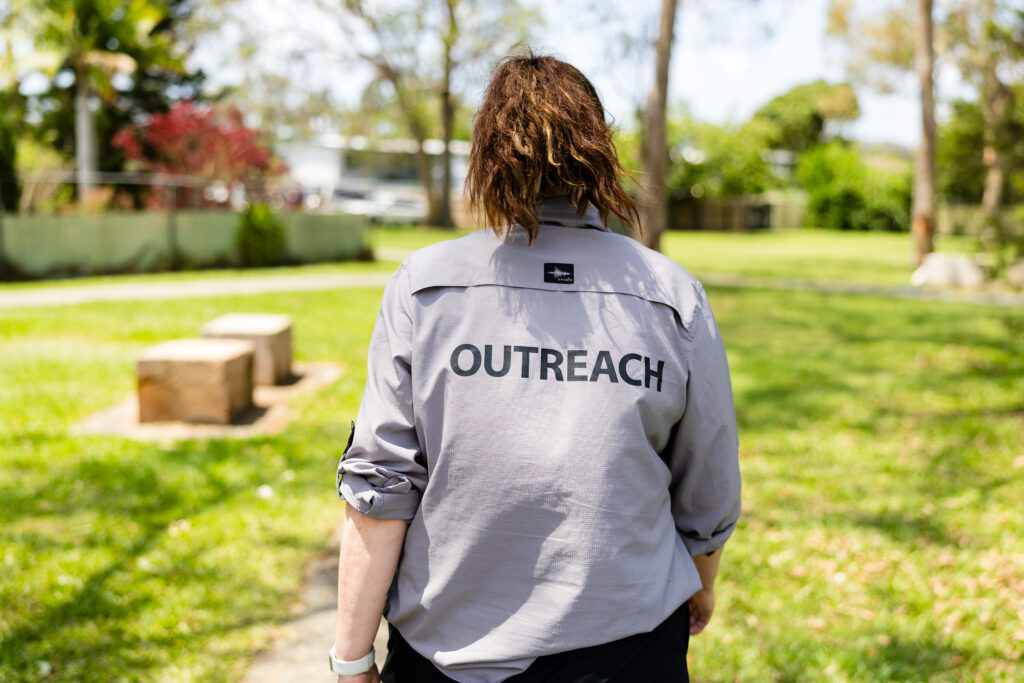
Pauline ended up rough sleeping in both Hugh Muntz Park and Tully Memorial Park. Still struggling with poor mental health, she became increasingly concerned for her safety and began using drugs to cope.
“I had honestly given up on my family and myself. I turned to drugs just to survive, to feel, and to hope again.”
“I started to use ice more just to protect myself, but deep down I was becoming more and more concerned for my safety.”
To make matters worse, in May 2024, Pauline found herself in hospital with mastitis.
“I ended up in hospital for a week. In there, I just felt like a number. I expressed concerns about my safety, but they didn’t care. I was screaming out for help.”
“I had no help after being discharged either. I didn’t know Brisbane at all, but I had to find my own way back to the park. Travelling from the Mater to Beenleigh, not knowing what train or bus to catch; I was having PTSD and anxiety attacks.”
Despite already fearing for her safety, Pauline was also concerned about her recovery and long-term health.
“For about six months I was worried I wasn’t going to make it. It was terrifying…I was scared I was going to lose my breast at 36.”
“It was just another stress on top already not being in a place that’s very safe or clean.”
Pauline’s main frustration in her struggles with the public health system and homelessness was the lack of care given to her, and others, in similar situations.
“The system has been broken for years. It’s situations like the one I faced that people don’t acknowledge or listen to.”
“Not everyone wants to be sleeping rough. We’re not just there for the fun of it.”
“Instead of treating us like a number, listen to us, understand us. I’m a prime example. I wasn’t just struggling with safety and infections, but mental health problems.”
For Pauline, the stigmas around homelessness and drug use made things worse and it was the thought of her children that gave her the strength to keep fighting.
“People that are drug addicts, there’s always an underlying issue to that drug addiction. I turned to drugs just to survive.”
“But I am one of the lucky ones because I still had hope of being a mum.”
For Pauline, taking the time to listen and understand people’s stories is important to move past these stereotypes.