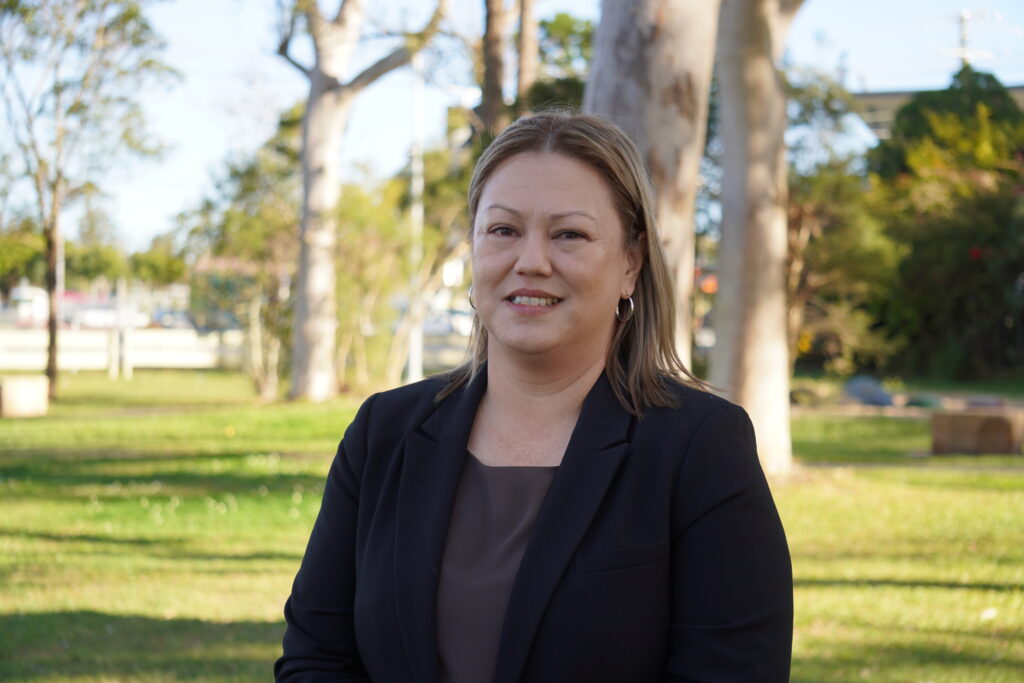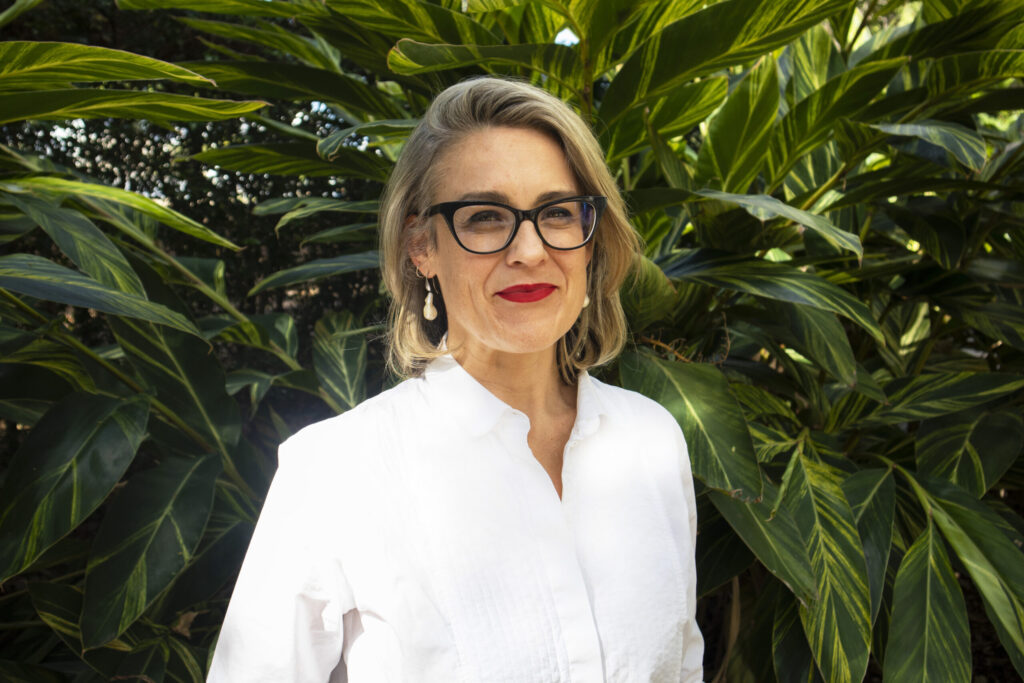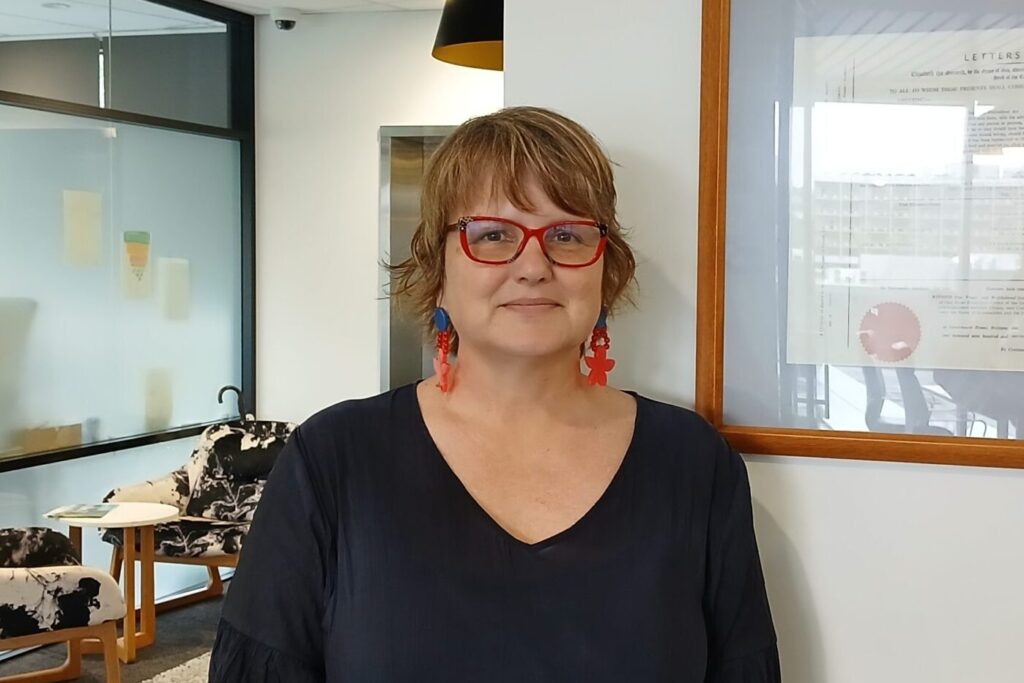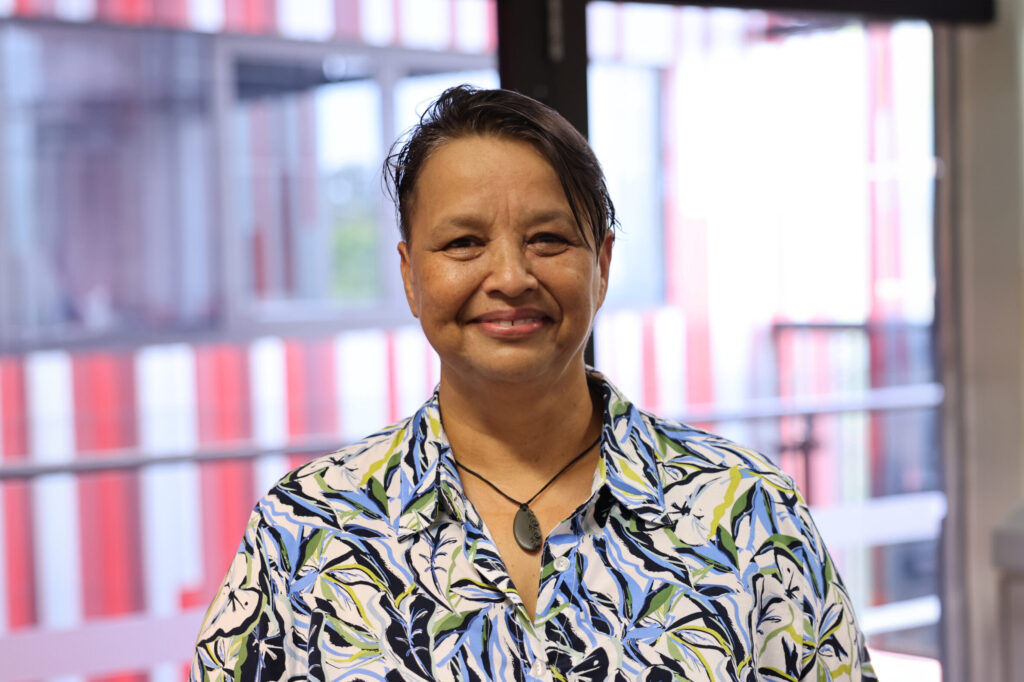



Joy Bowen-Eyre wakes up every morning thinking: “How can I make my community a better place?”
Commonly searched
Common topics
Hit the Quick exit button in the top right or press [esc] on your keyboard to close this site instantly.
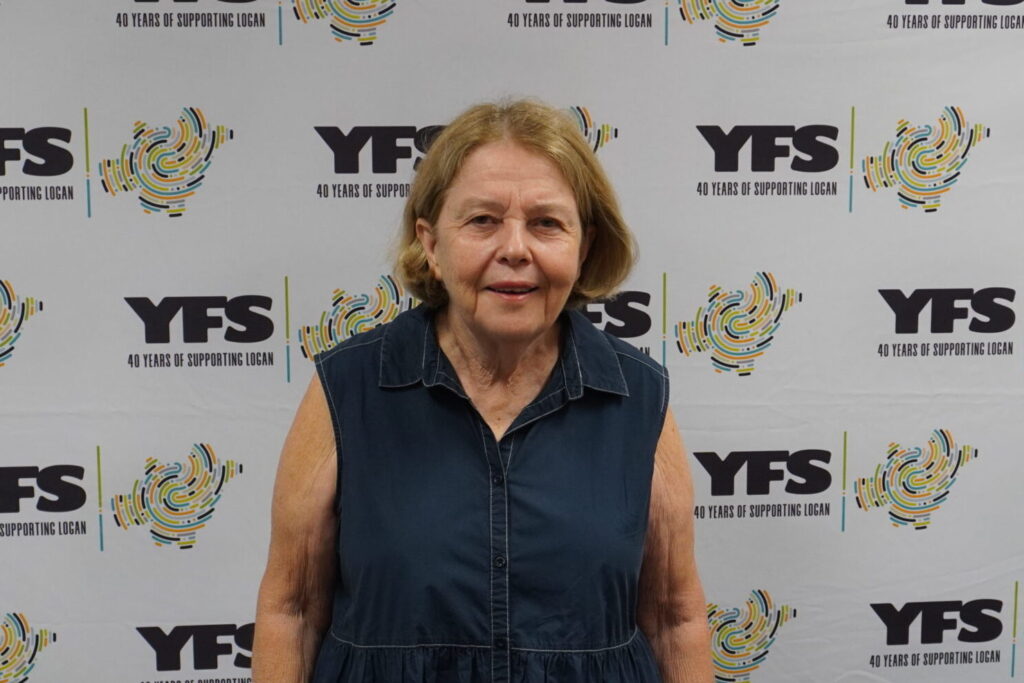
Joy Bowen-Eyre wakes up every morning thinking: “How can I make my community a better place?”
“Your organisation is doing great stuff. I think that’s why we have an opportunity to learn from one another.”
She has spent her career working to make sure no one feels isolated or unsupported, because she has experienced both states.
However, it was when she became CEO of Calgary community health service, The Alex, that she felt she had arrived home. For the first time, she was working for a service that provided truly integrated wraparound support to vulnerable people, and she could see the huge difference it made to their lives.
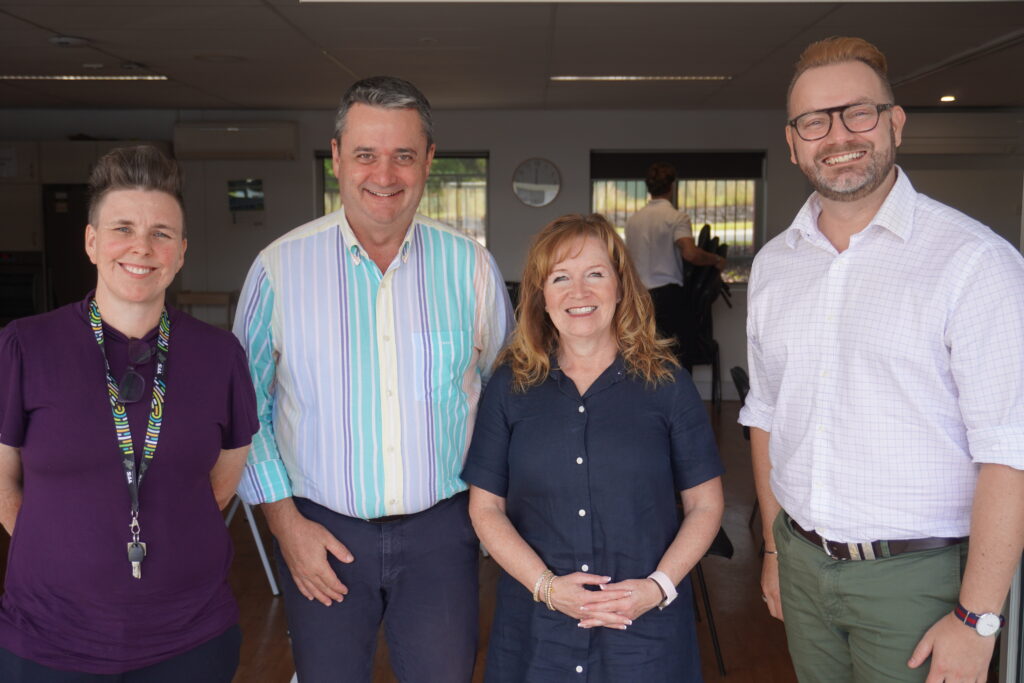
It was this shared belief in early intervention, integrated support and a person-centred approach that brought The Alex and YFS together. In April 2026, Joy visited YFS in Logan, meeting with staff, touring services and speaking at a sector event on integrated service delivery.
For Joy, the relationship between YFS and The Alex is an opportunity for both organisations to learn from what the other is doing well.
“Your organisation is doing great stuff. I think that’s why we have an opportunity to learn from one another.”
At the heart of Joy’s approach is a belief that services achieve better outcomes when they work together around the needs of the person.
“When you work in silos, the client has to constantly tell their story over and over and over again. It’s traumatising, it’s not client focused and the client feels that nobody’s listening – they’re not a priority.
“Our client satisfaction rate is 96%, it’s really quite remarkable.”
The Alex Community Health Centre provides primary health care, housing, mental health and addiction supports, community meals and access to food, a lab, a pharmacy, social workers, peer support workers, nurse practitioners, and specialised care such as internal medicine and psychiatry.
It’s purposely situated on a train line, which makes it easy to get to, and its front door opens onto a community kitchen, where people can get a free cup of coffee and a meal.
“When you walk into a typical health centre, it usually smells like bleach and is very sterile. Ours smells like muffins or whatever they’ve made for breakfast. This morning they were making an egg frittata.
“We’ve got more pride flags around this place than you can imagine…and we play music, not really loud, but enough to make the clients feel like they’re not in a sterile kind of environment.”
Walk through the kitchen, and you’ll get to the health centre. Although it looks like a mini hospital, there are no white doctor’s coats, and everyone is referred to by their first name. This approach means that no one staff member seems more important than another.
Putting all workers on a level playing field prevents burnout and psychological stress among the staff, because when a staff member encounters an issue outside their scope of expertise, they can comfortably and confidently link the client with a colleague who is best placed to provide support.
“Our medical director would be the first to tell you that he’s not a mental health clinician, but he’s a really good doctor. His job is to assess and diagnose, so when a client needs mental health counselling, he knows he’s doing an appropriate warm handoff to someone on the team who’s just as invested in the client as he is.”
The other reason The Alex doesn’t have worker hierarchies is that the most important person, the person at the centre of everything, is always the client. It seems like a simple philosophy, but the results are life changing.
Last month, The Alex’s Pathways Program took on a client who had been residing in an acute care psychiatric ward for two years.
The program is specifically for people who are experiencing homelessness and have severe mental health issues. Joy describes it as “a hospital without walls”.
This client had significant schizophrenia, mental health issues, active psychosis and a history of anger and weapon use. No other housing provider was willing to take him on.
He was referred to The Alex by his psychiatrist, who believed he could be stabilised. The Alex was able to find him an apartment and, through the Pathways Program, he had access to a social worker, mental health clinician, peer support worker, occupational therapist, case manager, GP and a psychiatrist.
Now, for the first time in over two years, he is clean, participating socially, and his apartment is managed and well taken care of.
“Think of the cost of those two years staying in hospital compared to the cost of us providing care for him in our hospital without walls program: he’s getting access to all those services.
“This individual went from languishing to thriving.”
It is a powerful example of what becomes possible when services work together around a person’s needs, rather than expecting them to navigate support alone.
Joy’s visit gave YFS an opportunity to learn from The Alex’s experience and share insights from our own Service Integration Demonstration Project.
Across different countries and service systems, the goal is the same: making it easier for people to access the right support at the right time. That spirit of shared learning continues to inform YFS’ work to strengthen integrated service delivery.